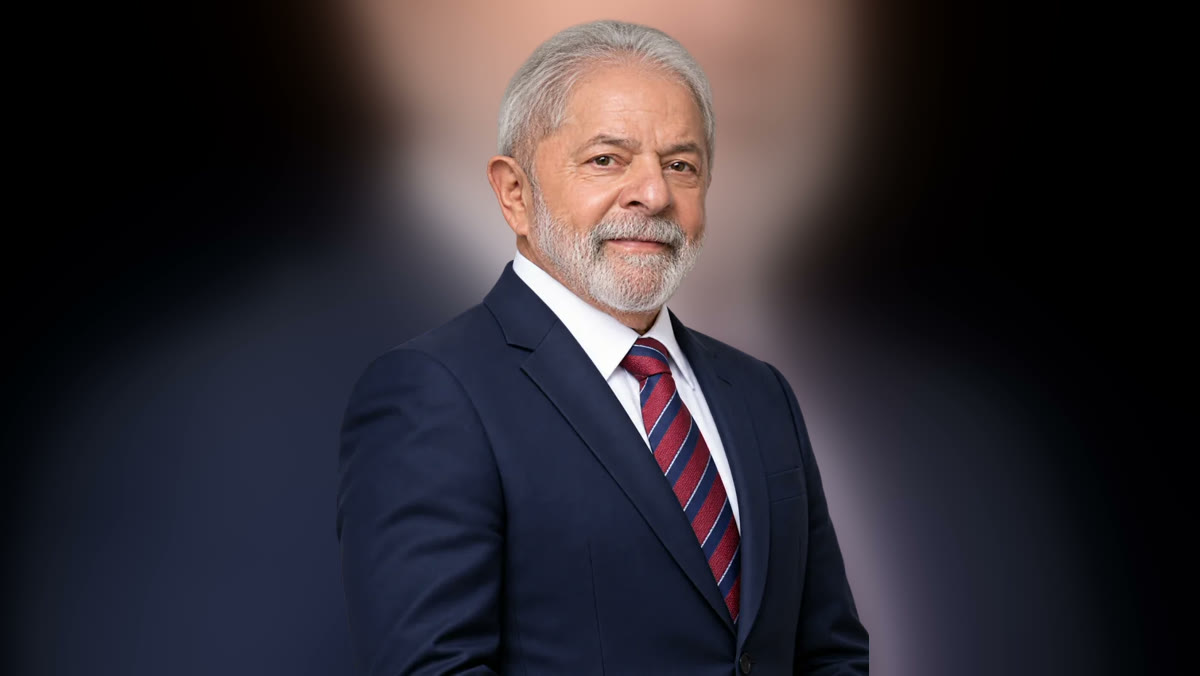
🇧🇷 Luiz Inácio Lula da Silva
Brazil Election: Corruption, Slow Growth Haunt Lula and Bolsonaro
What happened
Brazilians will vote in the first round of a presidential election on October 4, with two clear front-runners, Luiz Inácio Lula da Silva and Flávio Bolsonaro, competing for the presidency. Both candidates have been criticized for their inability to address the country's slow growth and corruption problems. Lula has a history of weakening reforms and appointing allies to key positions, while Flávio Bolsonaro has shown little policy direction beyond amnesty for his father and certain politicians.
Why it matters
The outcome of the election is unlikely to break the cycle of corruption and disappointing economic outcomes in Brazil, as the country's post-dictatorship justice system and fragmented political landscape hinder meaningful reform. Brazil's high debt levels and interest rates raise concerns about the country's economic stability. The election may have little influence on the crisis-reform cycle, which is driven by structural issues.
Key facts
- • Brazil's debt will increase to more than 86% of GDP by the end of 2026, according to IMF estimates.
- • The country pays 8% of its GDP in interest to bondholders each year, the second-highest level in the world among similarly sized economies.
- • Brazil has a sprawling and ideologically ambiguous party system with 22 parties in Congress.
- • The country's post-dictatorship justice system is criticized for being ineffective in punishing elite corruption.
Topics
Publisher evidence used
Reporting attributed to foreignpolicy.com. WorldLeadersNews links readers to the publisher and does not present a headline-only item as a full article analysis.
Related leaders